

World Poetry Day: Female Voices That Endure
Article By Sahara .
Mar 20, 2026
Poetry gets boxed into something quite precious, when really it’s the opposite. It pares things back. Keeps what matters and lets the rest fall away. At its best, it’s direct. A way of saying something properly, without dressing it up. Of catching a feeling, a memory, a contradiction and holding it still long enough to look at it.
World Poetry Day is as good a reason as any to come back to that. A chance to read women who use language with real intent. Writers who are clear in what they’re saying, and why. Identity, love, anger, joy, doubt. Often all in the same breath.
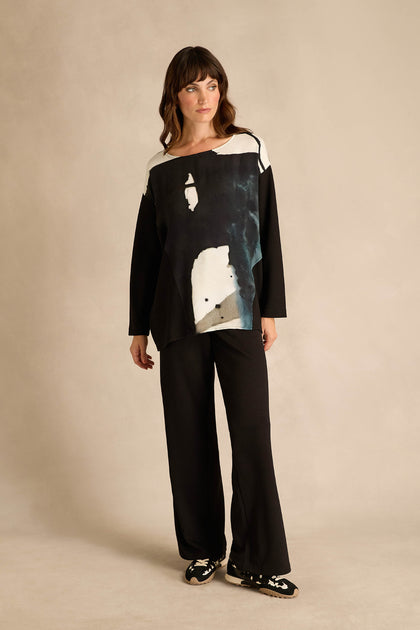
There’s a natural link here with how creativity shows up more broadly. What we’re drawn to. What we wear. What we keep. What feels like us. Poetry and clothing sit in different worlds, but they both reflect something internal made visible. A sense of self shaped by experience, place and instinct.
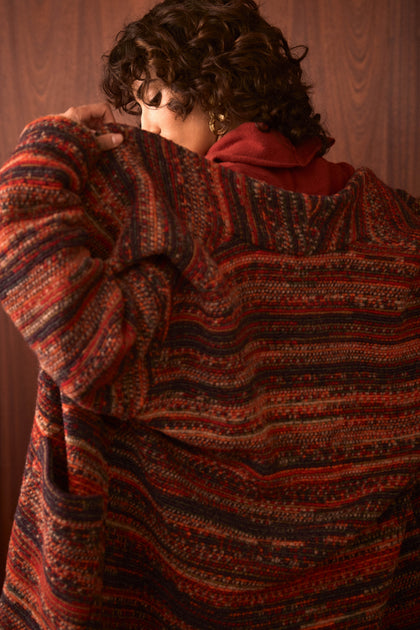
That idea feels close to home. Sahara is a brand rooted in Morocco and Bali, carrying its own thread of storytelling. Craft, pattern, colour and texture all hold traces of where they come from. In the same way, these poems carry their own histories.
These poets all have that sense of certainty in their voice. These are writers we return to. The kind you read once, then again. Books that feel generous in what they offer, and addictive in how they unfold.
The Poets

Audre Lorde, The Collected Poems of Audre Lorde
Writing through the 60s, 70s, and 80s, Lorde was a Black feminist, activist, and one of the clearest voices on power, identity and anger ever put to paper. Her work doesn’t soften itself. It’s sharp, political, deeply personal and often uncomfortable in the best way. You read her when you want something that cuts through and says exactly what it means.
Rupi Kaur, Milk and Honey
A modern entry point into poetry, first published in 2014 and widely shared long before that online. Kaur writes in short, stripped-back lines about love, heartbreak, trauma and healing. It’s immediate and easy to fall into, which is exactly why so many people start here. If you’ve ever thought poetry wasn’t for you, this is usually the one that changes that.

Ana Sampson, She Will Soar
More of a curated collection than a single voice, this book pulls together women poets from across centuries. You’ll move from classic names to contemporary ones in a few pages, all circling themes of independence, imagination and freedom. It’s a good one to dip in and out of, especially if you’re figuring out what kind of poetry you actually like.
Emily Dickinson, The Complete Poems of Emily Dickinson
Writing in the mid-19th century, mostly in private, Dickinson’s work feels surprisingly modern. Short, strange and often a little unsettling, her poems circle around death, nature, and the inner life with real intensity. Nothing is over-explained. You have to meet her halfway, which is part of the appeal.

Diane Seuss, Modern Poetry
A contemporary voice with a strong sense of personality, Seuss writes about her own life, class, art and what it means to take poetry seriously without becoming overly reverent about it. This collection plays with form and references older poets while keeping things grounded and often quite funny. It feels thoughtful without being heavy.
Maya Angelou, Selected Poems
Angelou’s work sits somewhere between poetry and performance. Writing from the 60s onwards, her poems carry rhythm, strength and a deep sense of lived experience. She moves easily between joy and hardship, often within the same piece. If you like poetry that feels spoken as much as read, this is where to go.
Most poems don’t stay with you in full. It’s usually a line. Something that clicks, or lingers, or shifts how you see something by a fraction. And we know that’s enough. World Poetry Day is a good moment to explore that. Not as a task, but as a way of staying curious about how creativity shows up, whether through language, clothing, or anything else we choose to make part of our lives.
If you’re not sure where to start, these books are a very good place. Each one brings something distinct, but all are a pleasure to read in their own way. Pick one up, dip in, leave it on the table, come back to it later. They tend to work best like that.
For more stories, ideas and thoughtful edits, you can follow along on the journal and through our newsletter.